Experience during placement
Once again bloggers welcome back! Throughout
todays blog post I am going to be discussing my experience from my time spent
on placement in Georgetown Primary School over a two week period in January of
2018. The blog is going to reflect on my time in the school and I will discuss
what I learned and gained throughout the experience. Georgetown Junior and
Infants Primary School is a school within Tredegar, Wales. The new school as it
stands opened in 1989 and the nursery in September 2003, although the site was
new Georgetown primary had been serving the communities educational needs since
1877. (Thomas, 2017) Georgetown is a state funded primary school which follows
the Welsh national curriculum and is controlled by the local authority in final
decisions. (British Government, 2015)
The schools head teacher is Lisa Thomas,
appointed to the role only in September 2017, within the school report she
looks to improve the school more and more over the coming year to improve results.
(Thomas, 2017) The school caters for children from the ages of 3 through till
11, with nursery, infants and juniors. Within the whole school the team caters
for 431 pupils, 202 boys and 229 girls. (Department of Education and Skills,
2017) The amount of pupils Georgetown caters for (431) is much higher than the
U.K’s average of around 260 pupils. (Bolton, 2017)

Throughout my time at Georgetown Primary I believe my skills were enhanced, learning new skills and gaining new knowledge from both the teachers and the children. One of the major skills which I have gained from my extensive time at the schools is the need to be creative and have freedom with adapting to the needs of the children within lessons. Within these lessons to cater for the needs if each child the lesson plan does not have to be fully followed but is made flexible that changes can be made. Working alongside Miss Davies, she gave me freedom to help the children in tasks in my own way, not telling me how it should be done but just agreeing as long as each child understands the concept the path to get there should be varied for each child.
Another skill which was enhanced and
developed from the placement was collaboration. The school mainly had two
classes in each year and to ensure that the best possible teaching and outcomes
were achieved the two teachers of each year would plan and reflect on sessions
together. This was beneficial as I was working with two very talented teachers which
allowed myself to gain two different approaches to teaching. According to
Garvey (1984) when implementing collaboration, teachers should communicate with
learners but to ensure that the learner collaborates back through the use of
language they need to talk about the learning experience. Teachers should
ensure that a variety of opportunities are available for learners to
collaborate between one another, using discussions in problem solving,
playground and talking in groups are useful activities to ignite collaboration.
Within the school leadership skills were demonstrated daily, with the head
teacher going to each class daily to see what was happening how the children were,
this was gaining a good rapport with other staff members as they were able to
see a higher authority leader daily to discuss any issue or concerns.
Throughout placement Miss
Davies demonstrated how when teaching she would use different ways to complete
tasks, each lesson would vary using I.T, physical activities, storytelling and
many more. She gave me the task to create a task for numeracy which would
develop the children interest which I successfully completed through the use of
physical activities, which was creative as the children were able to learn
numeracy differently. The task was a team based activity where the children had
to work together to get from one side of the courtyard to the other by using
bean bags adding and subtracting. According to Kerry (2015) the issue with some practitioners is that many became displacement
and fall in to habits using the same creative aspects instead of changing.
Varying between creative aspects through cross curricular teaching would keep
learners engaged and want to learn instead of being bored because the same
projects are used. (Kerry, 2015)
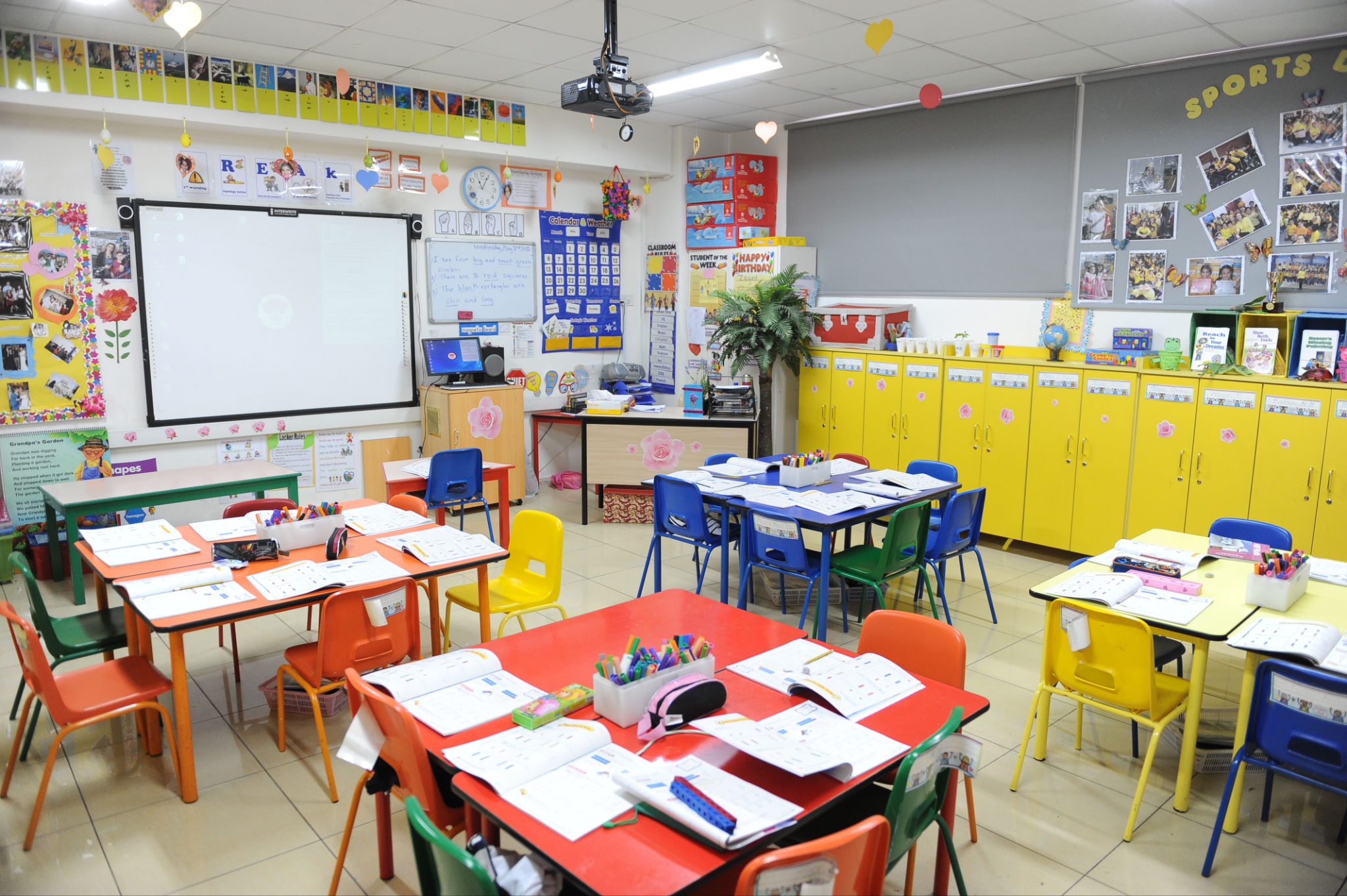
In summary, the experience as a whole was very beneficial I was able to learn new skills and develop current skills. The experience allowed myself to gain an insight in to more than just teaching but also the planning side of the job. The experience as a whole was very beneficial as I was able to be inspired by doing what I really enjoy, teaching the children of the day and inspiring them through education.
Reference list.
Department
of Education and Skills (2015) Types of Schools. London: British Government.
Available
at: https://www.gov.uk/types-of-school (Accessed: 20 March 2018).
Department
for Education and Skills (2017) My Local School-Georgetown Junior and Infants.. Cardiff: Welsh Government.
Available at:http://mylocalschool.wales.gov.uk/School/6772074?lang=en
(Accessed: 19 March 2018).
Bolton,
P (2017) Annual
Abstract of Statistics, various Education departments' reports of
school/pupil censuses. London: UK Government (Accessed: 18 March 2018).
Garvey, C. (1984) Children’s
Talk. London: Fontana.
Kerry,
T. (2015) 'Introducing cross-cuticular teaching', in Kerry, T. (ed.)
Cross-Curricular Teaching in
the Primary School: Planning and
facilitating . London: Routledge. p160.
Thomas,
L. (2017) Georgetown
Primary School Annual Report. Internal report. Unpublished.


This comment has been removed by the author.
ReplyDeleteHi Rhys, this is a great blog. It sounds like you have learnt a lot and really enjoyed your placement.
ReplyDeleteOne part of the blog that I found really interesting was the number of pupils that attend the school are more than the national average, did you find that this affects attainment or behaviour as classes are larger?
The use of the digital competency framework sounds to be really benefiting the school. Do you agree? Donaldson (2015) in Successful Futures argues that digital competence is just as important as Literacy and Maths therefore there must be many benefits to the child.
Donaldson, G. (2015). Successful Futures: Independent review of curriculum and assessment arrangements in Wales. Caerdydd: Llywodraeth Cenedlaethol Cymru.
ReplyDeleteHi Kirstyn lovely comment, I believe you meant to say national average, I don't believe that high attainment changes the behaviour of children in the classroom. During placement the children who were the highest achievers and children who were the lowest worked together, there was still rowdiness at the beginning of the session but once it began everyone started to focus more.
As mentioned throughout my time in placement I completely agree that Digital competency should be in line with numeracy and literacy as children are now using technology to complete tasks via iPads and computers. (Monteith, 2003)
Reference list.
Monteith, M. (2002) Teaching primary literacy with ict. Buckingham: Open University.